Fact-based comparisons, built on the public record
Sitting members, same tracked bills. Not an endorsement—an aid for the kitchen table.
These cards grade sitting members on the same 2025–26 tracked bills. Affordability, housing, and property tax count more. A low score is a record of votes against that package—not a character judgment.
Alphabetical inside the list you pick. Geography first, then the gauge.
NC House · District 72
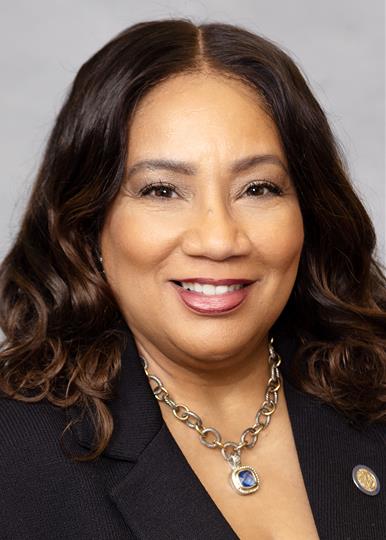
Amber M. Baker
Forsyth County (Winston-Salem area)
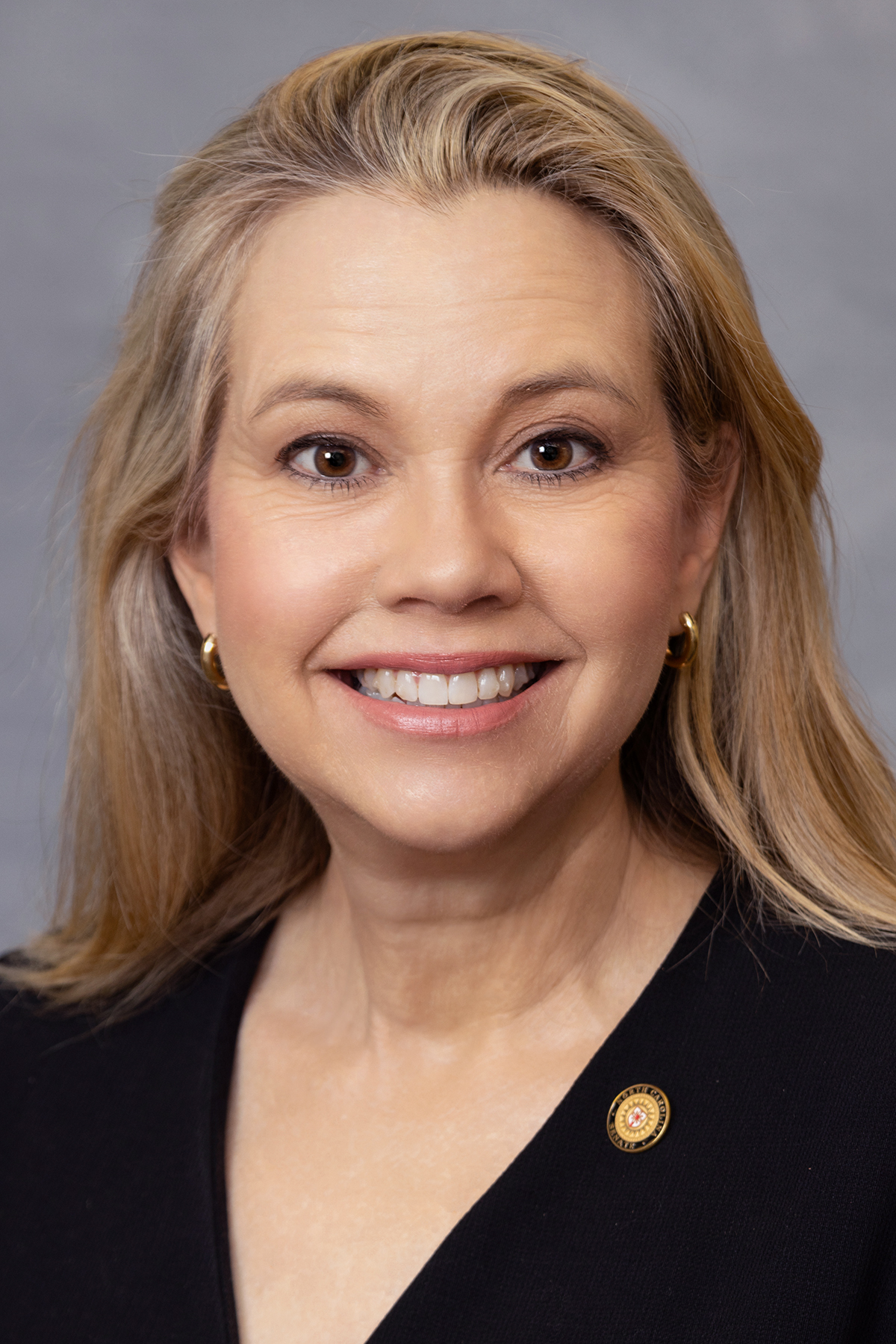
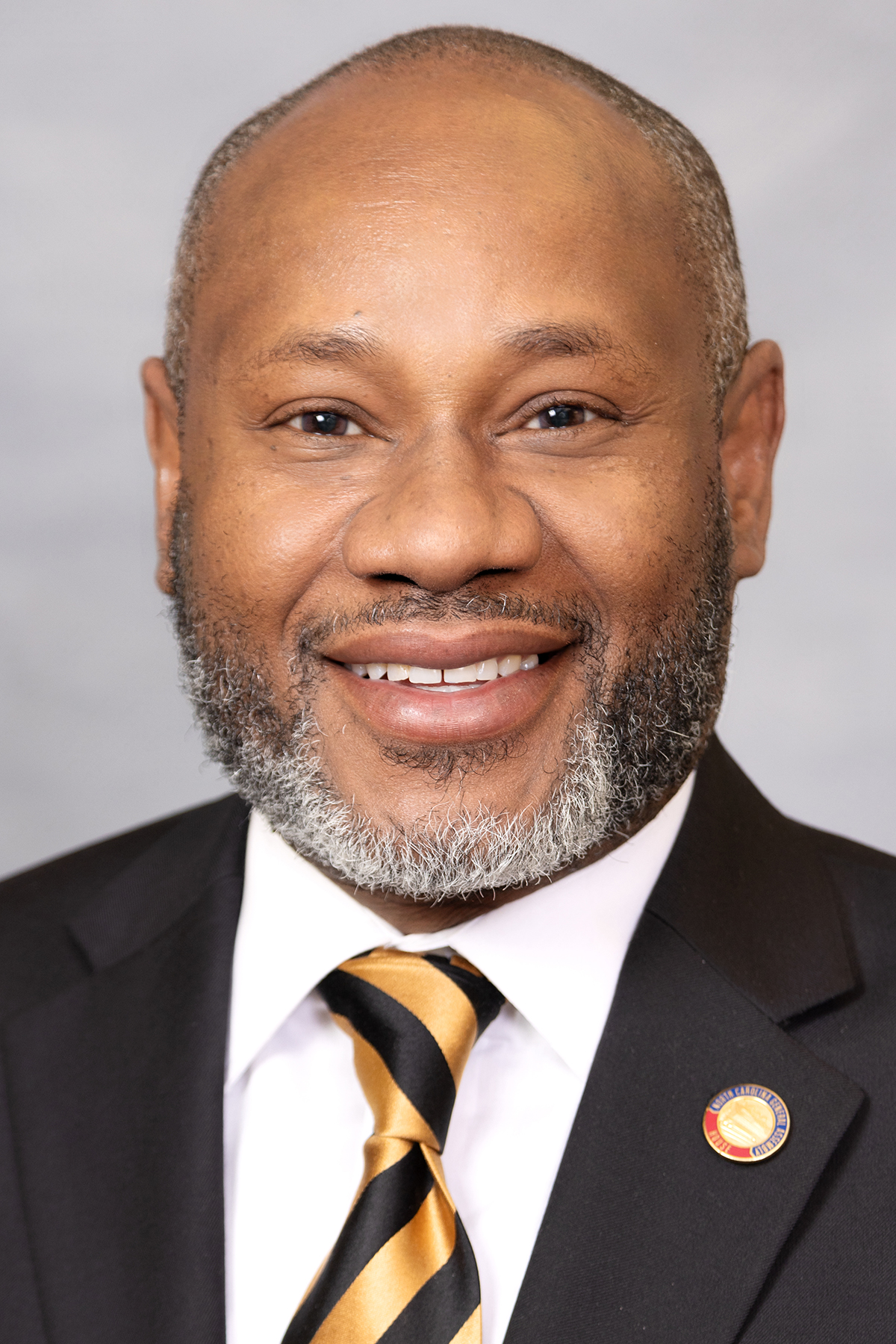
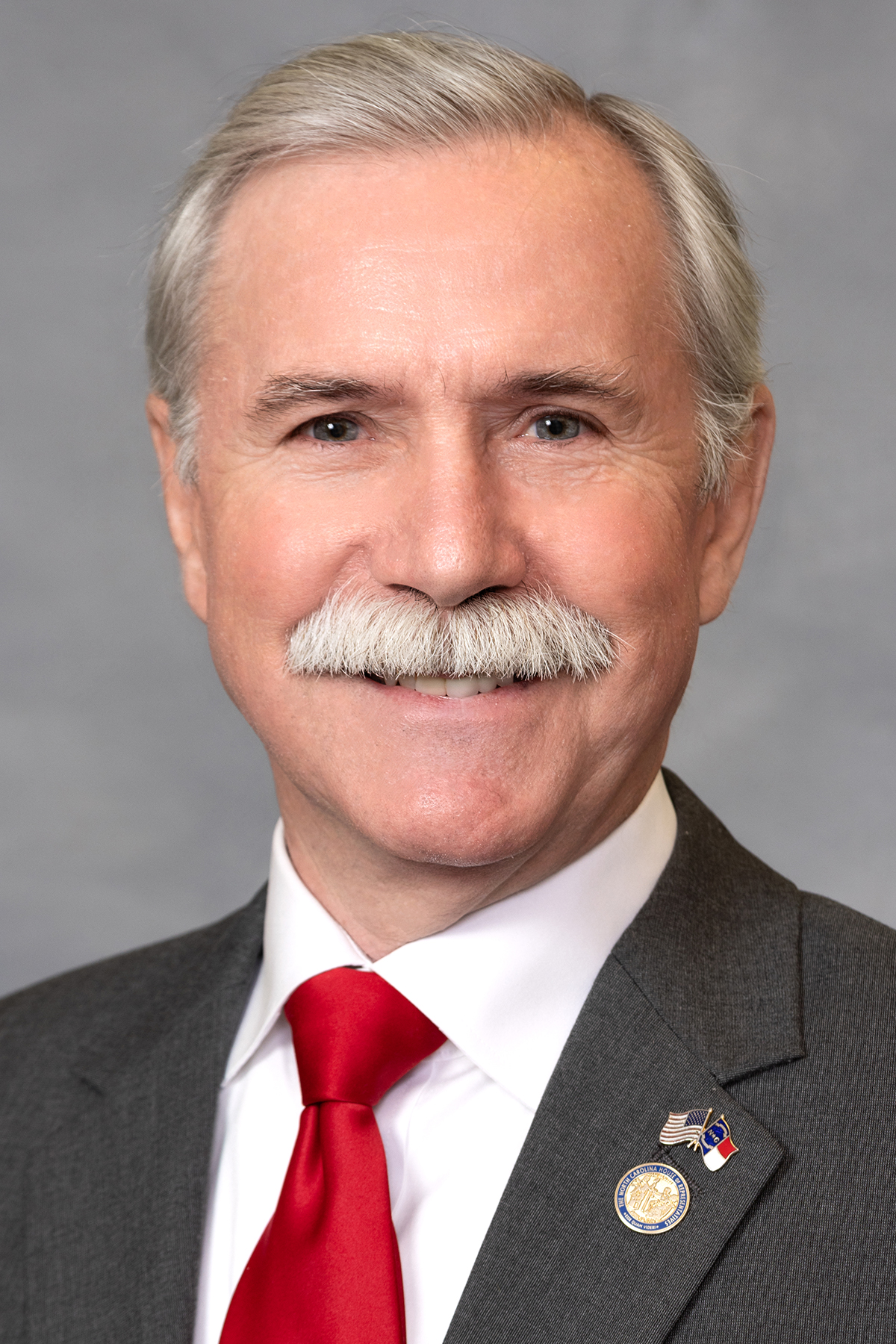
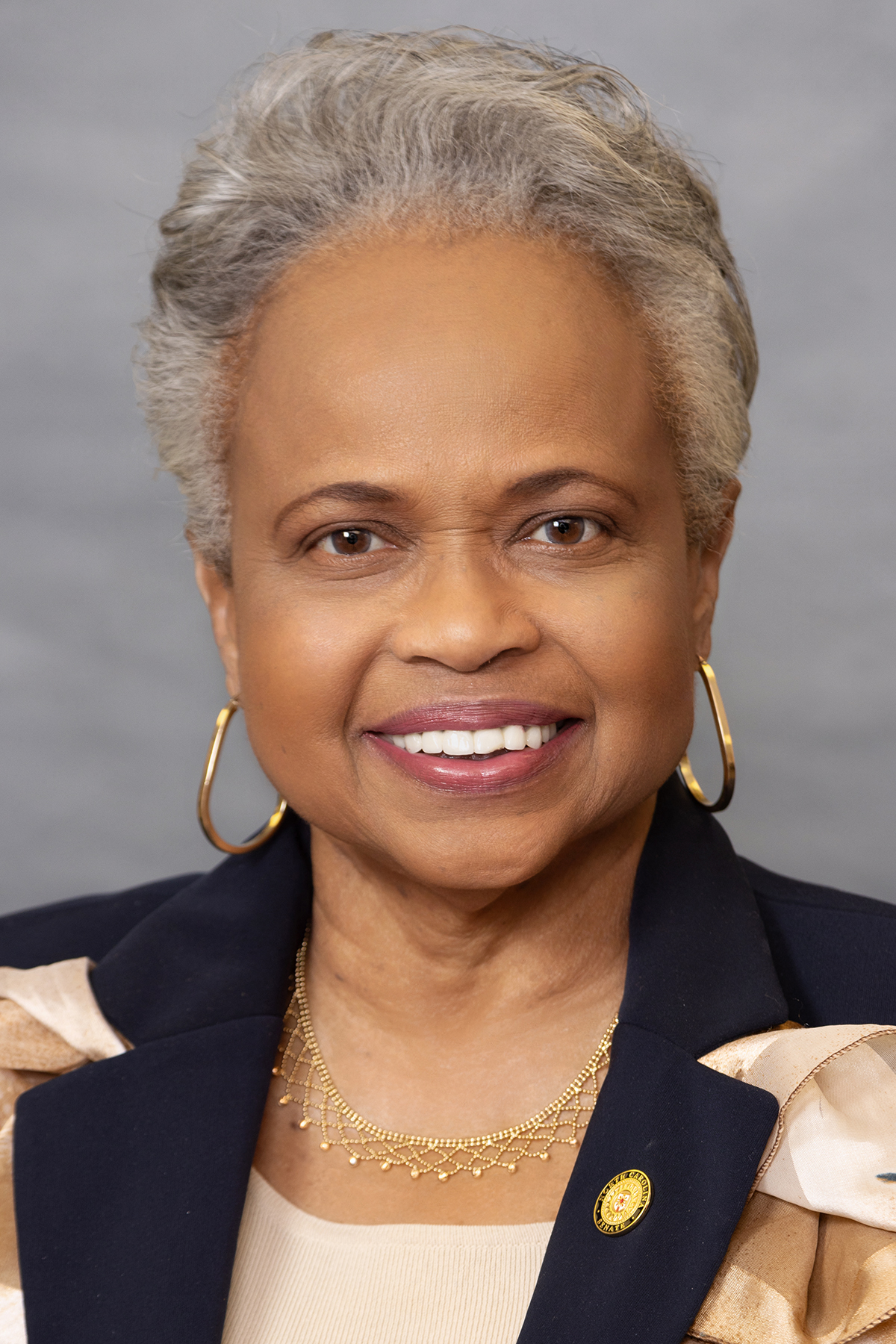
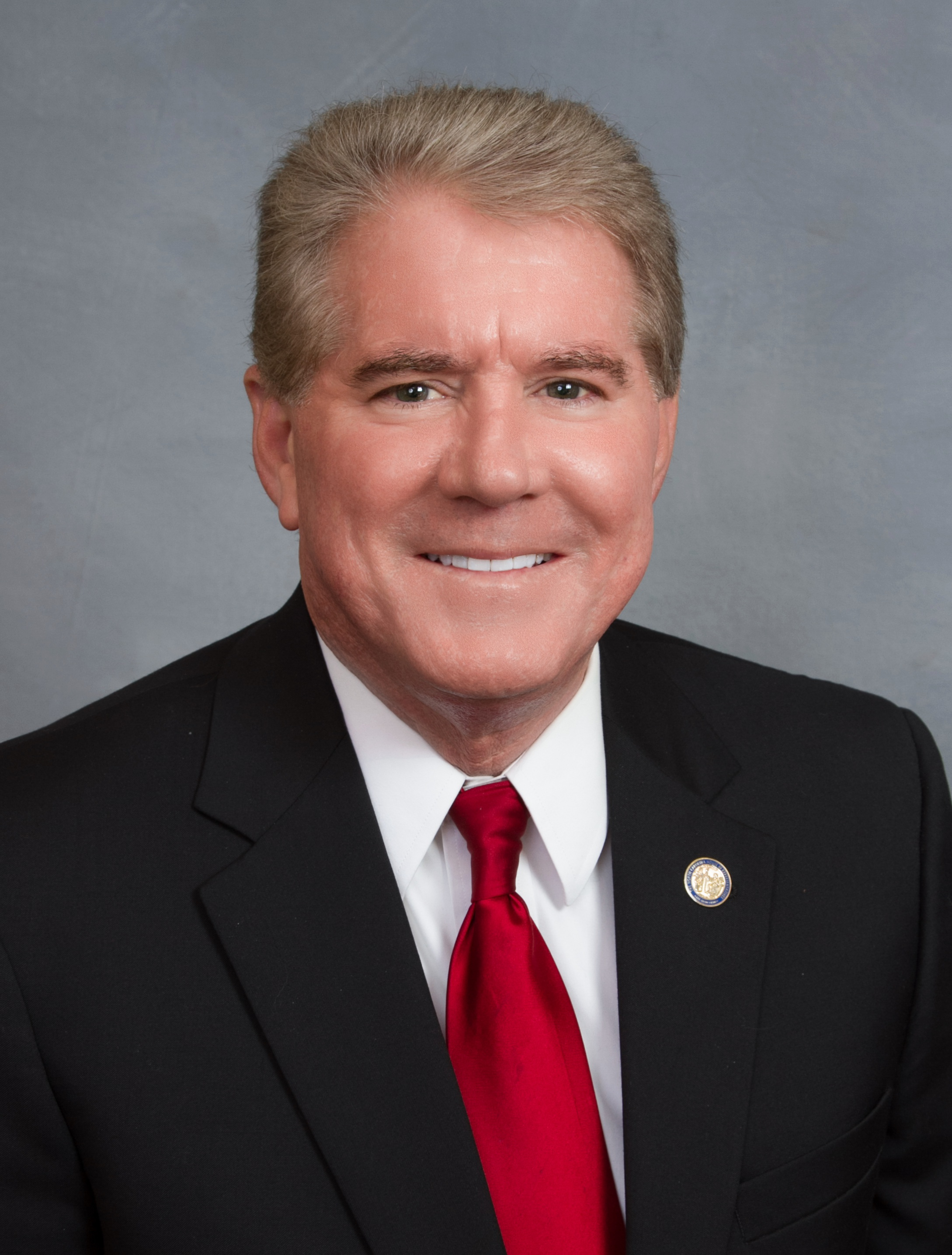
Educator and former Kimberley Park Elementary principal, serving House District 72 since 2021. Voted against the tracked affordability and tax measures other than parking reform.
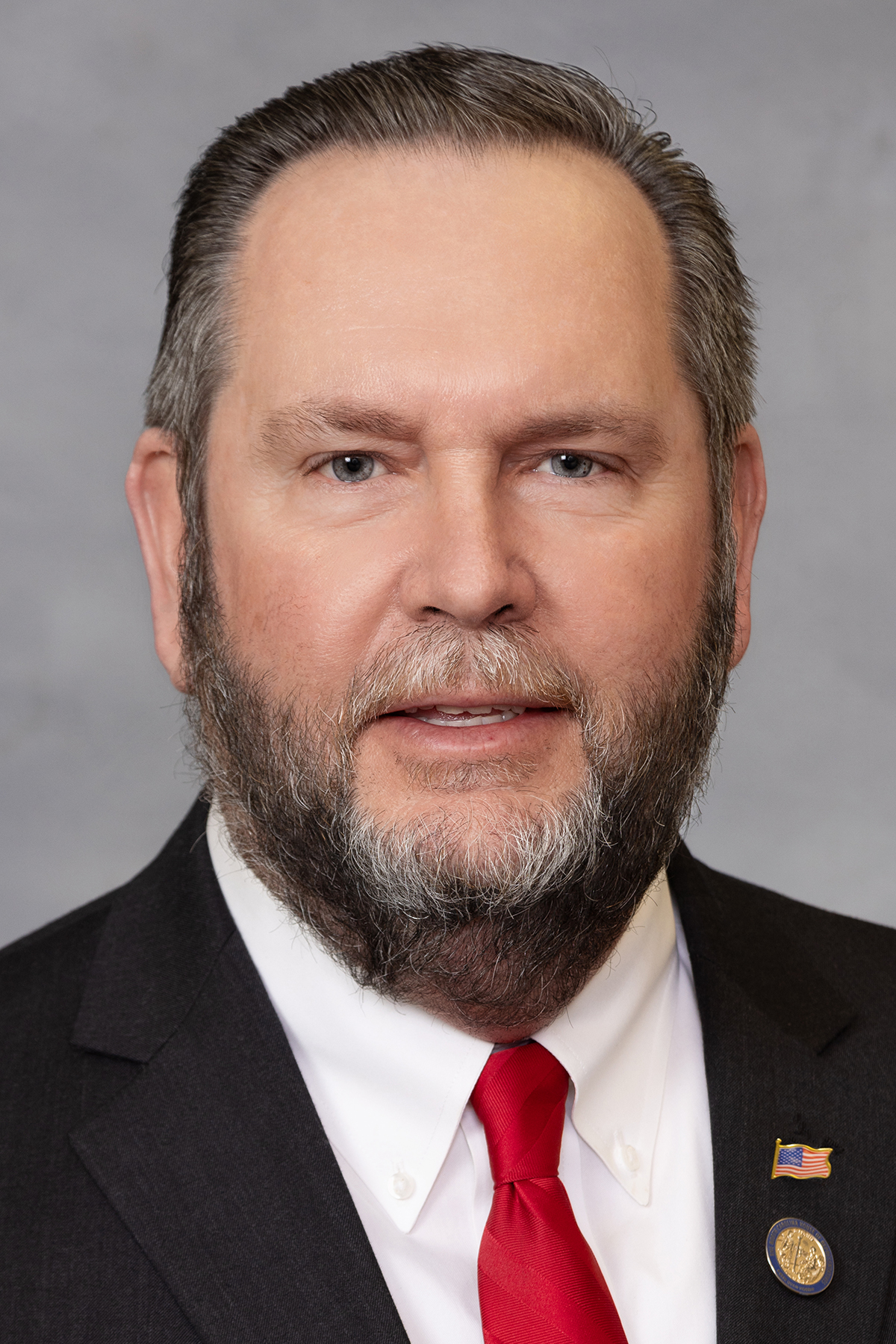
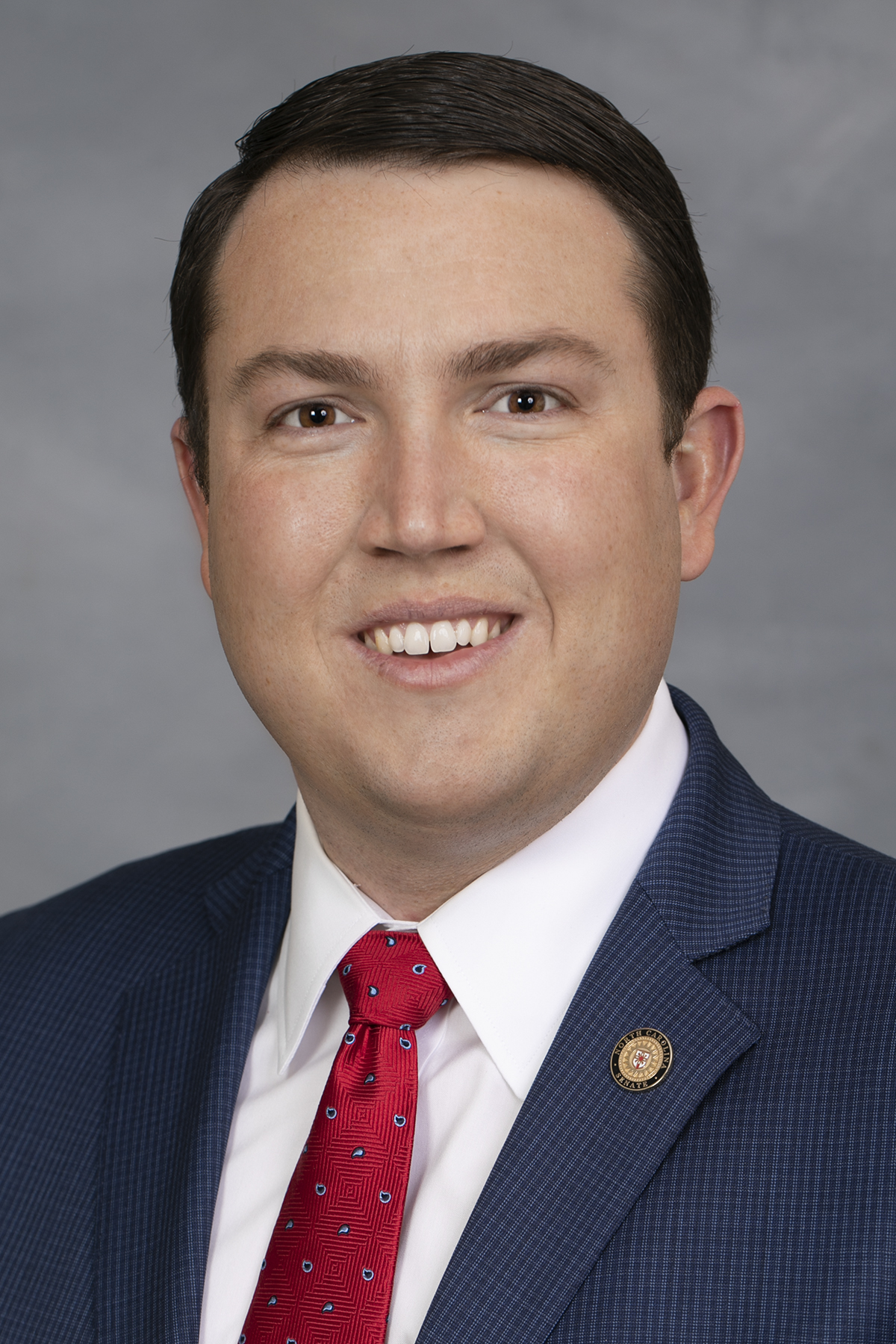
Former Guilford County commissioner and third-generation trucking company owner. Supported every tracked measure and cosponsored the parking-reform bill.
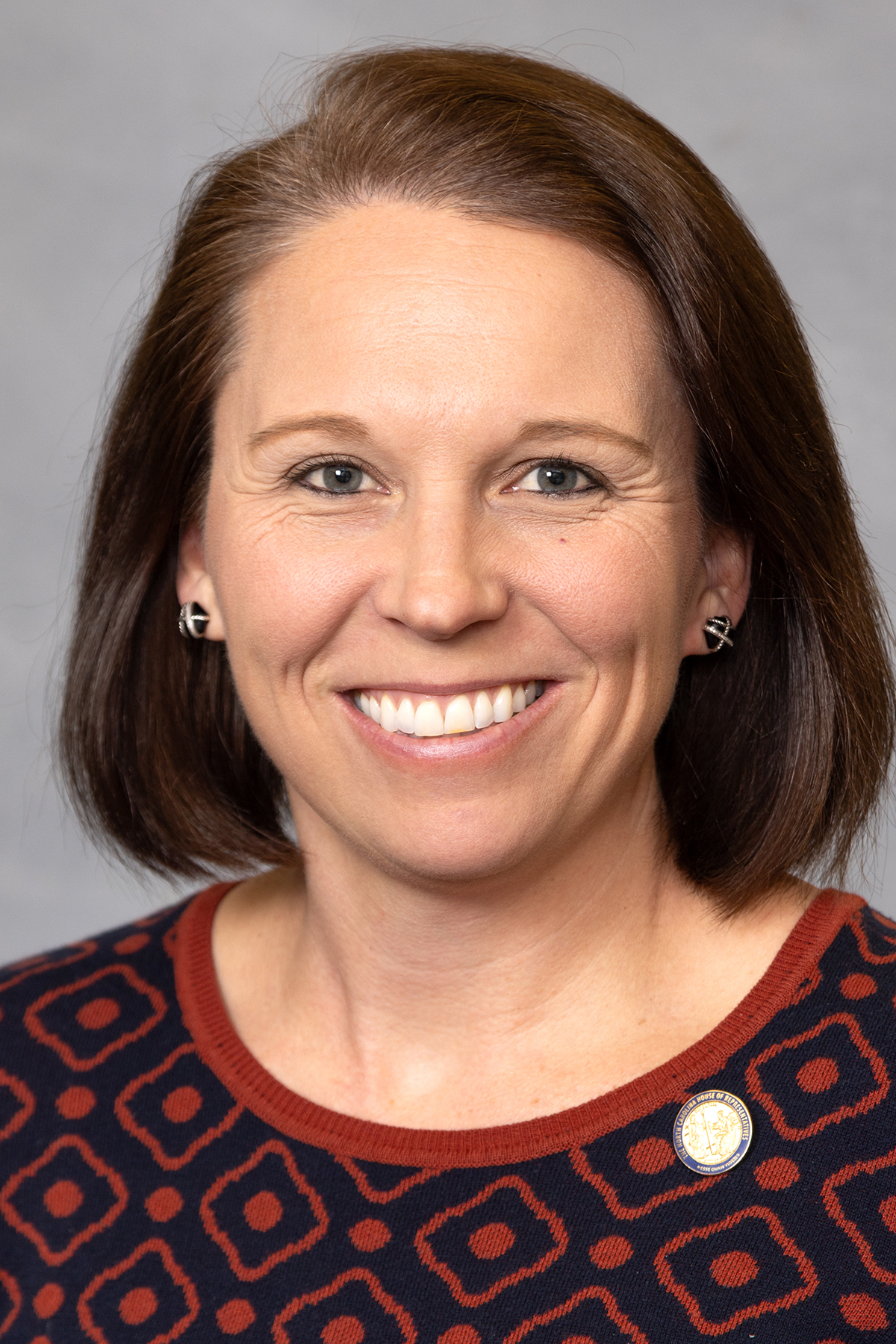
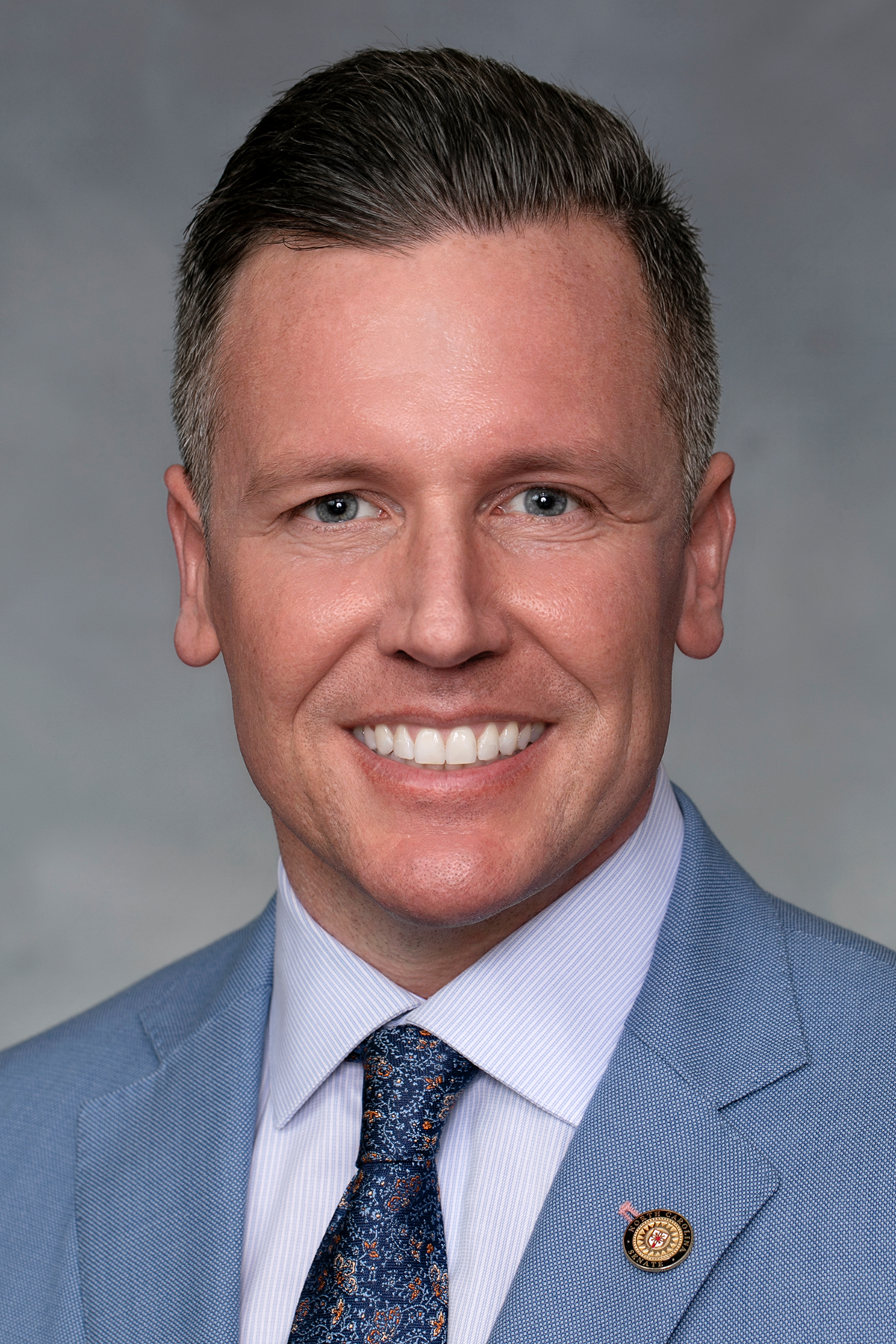
First-term marketing executive, appointed in 2024, and Co-Chair of the House Democratic Freshman Caucus. Opposed most tracked measures other than parking reform.
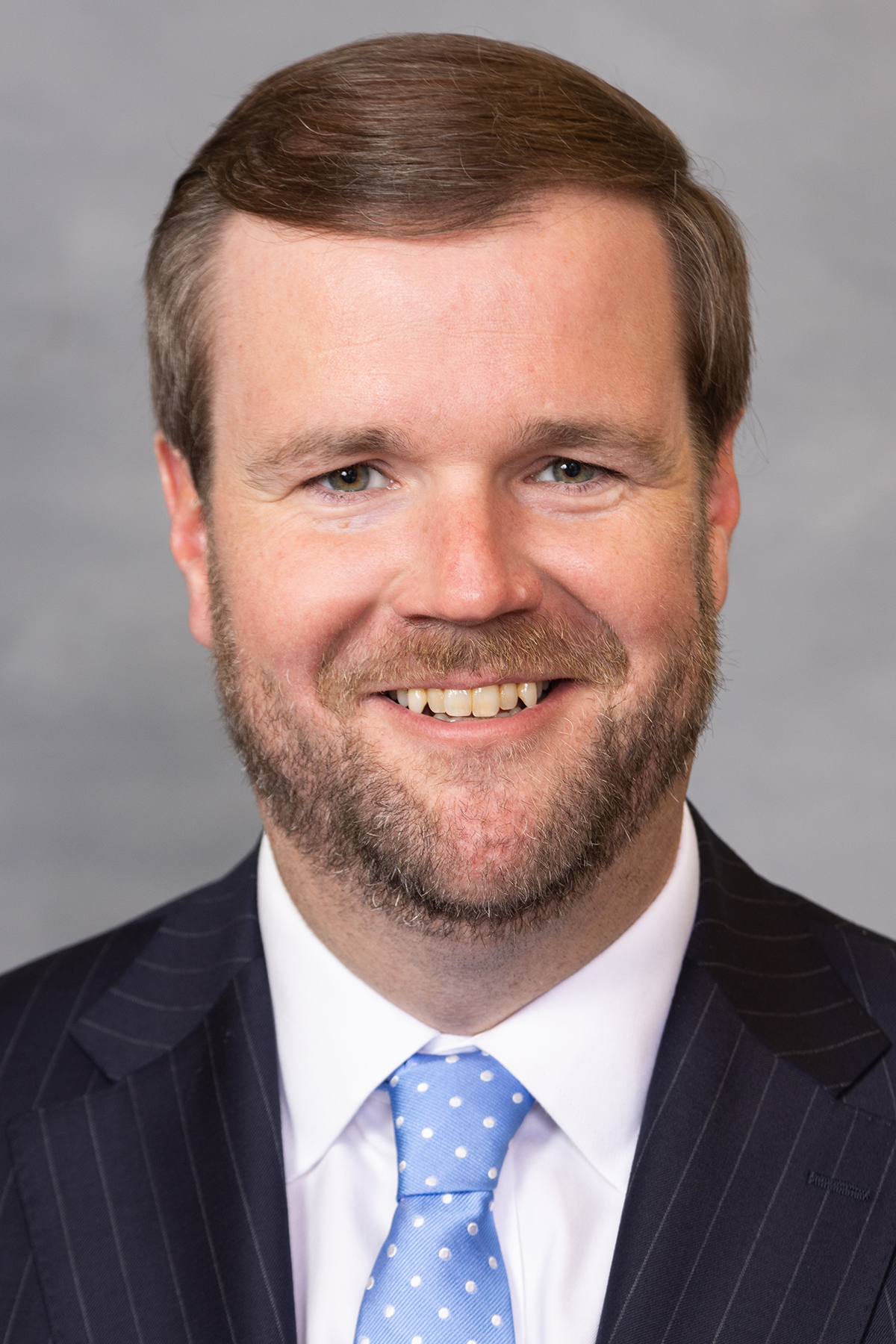
Fourth-term senator from Greensboro and Deputy Leader of the Senate Democratic Caucus. Supported parking reform, opposed the regulatory-reform package, and missed the property tax moratorium vote.
Eleven-term House member and retired attorney; longtime environmental and public education advocate. Opposed most tracked measures other than parking reform.
Winston-Salem pastor serving his sixth Senate term; one of the few Democrats to vote for the property tax moratorium. Opposed the other tracked measures aside from parking reform.
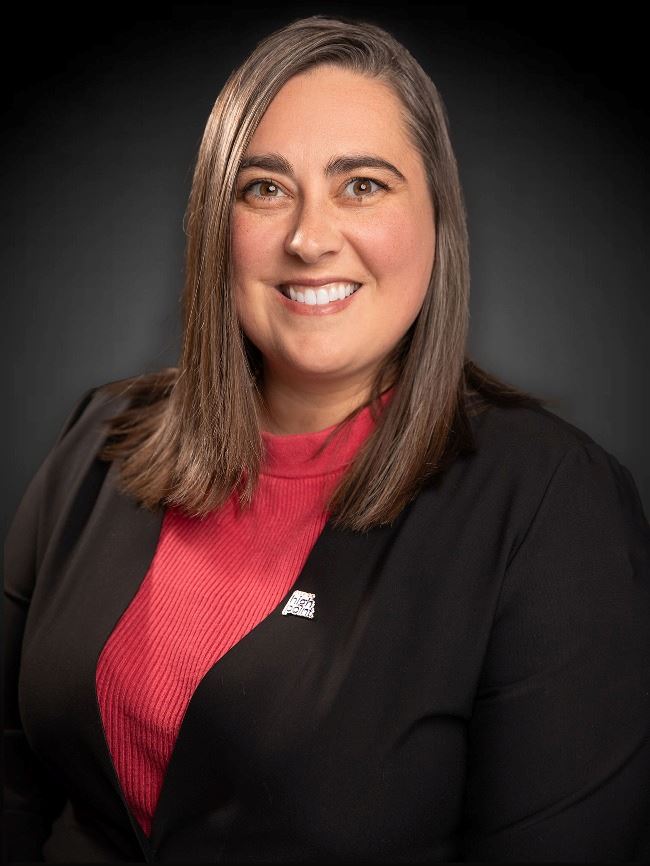
High Point pastor, Democratic Whip, and former Guilford school board vice chair, serving since 2017. Opposed most tracked measures other than parking reform.
Public administrator and nonprofit leader serving the Senate since 2011, focused on education, health, and equity issues. Opposed most tracked measures other than parking reform.
Two-term sheriff seeking a third term. Reported crime declines and strong school-safety programs sit alongside chronic staffing shortfalls, a $3.9M overtime overrun, and detention security failures.
How scores work: Legislators are scored on the same set of tracked
bills from the 2025–2026 session, with affordability, housing, and property tax
items weighted double to reflect the project’s priority on affordability and
housing supply in the Piedmont. Officeholders outside the legislature (such as the
sheriff) receive a performance scorecard graded across weighted categories. All scores
are drawn from official records and verifiable sources; see each candidate’s full
scorecard for footnotes, and the standing how we score page for the full rule set. Scorecards are not endorsements.
Our Piedmont Education Foundation is a nonpartisan 501(c)(3) and does not endorse or oppose any
candidate or political party. More candidates will be added as data becomes available.
Next version will split affordability from public safety so a neighbor can read one stack at a time. That is the honest plan; this page is still the combined 2025–26 package.